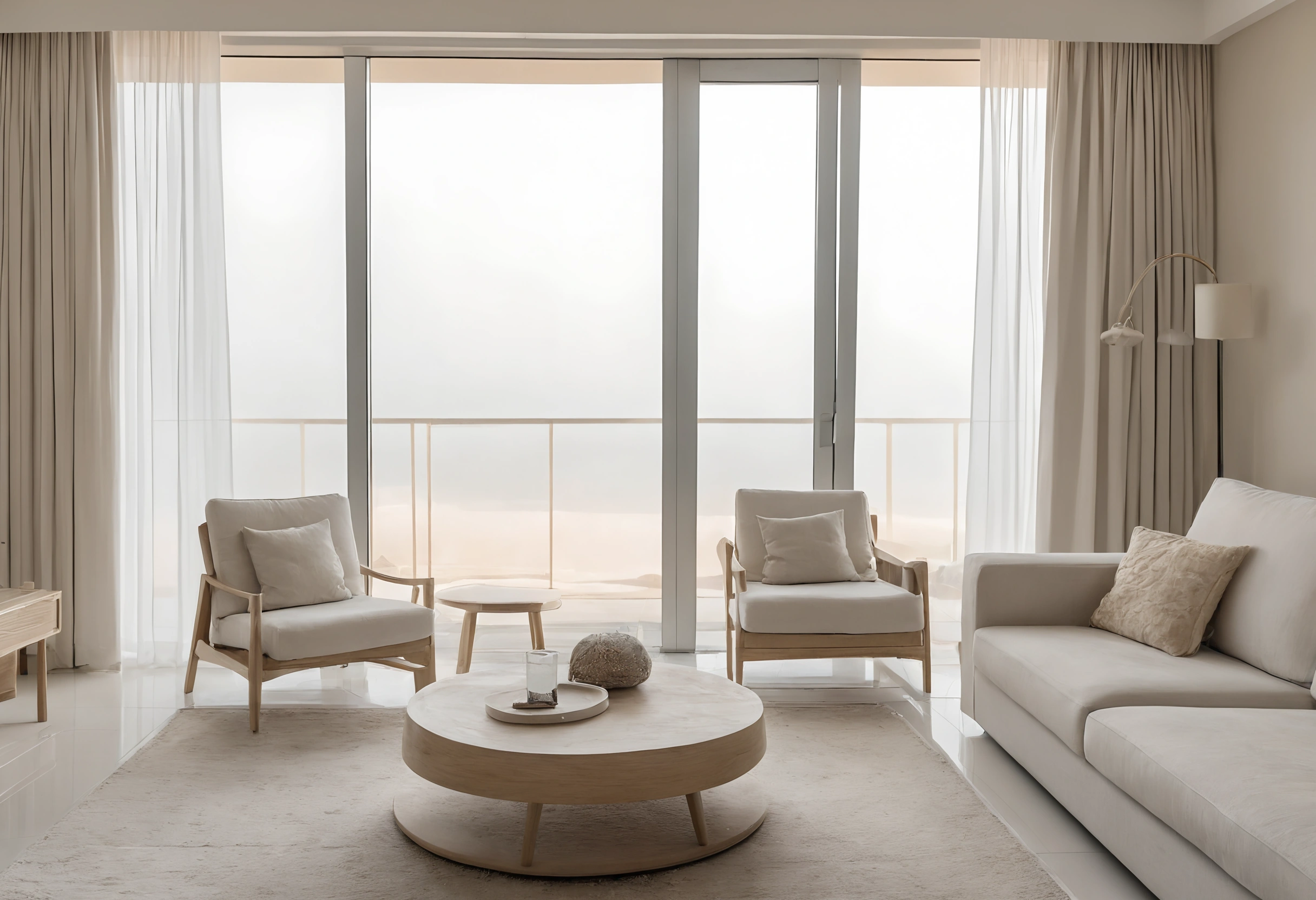
Photographing a Dubai Interior in Hard Desert Light: Summer Noon or Winter Morning?
Sun elevation over Dubai runs from 41 to 88 degrees. See how far a beam reaches indoors in each season and when to shoot a south-facing room.
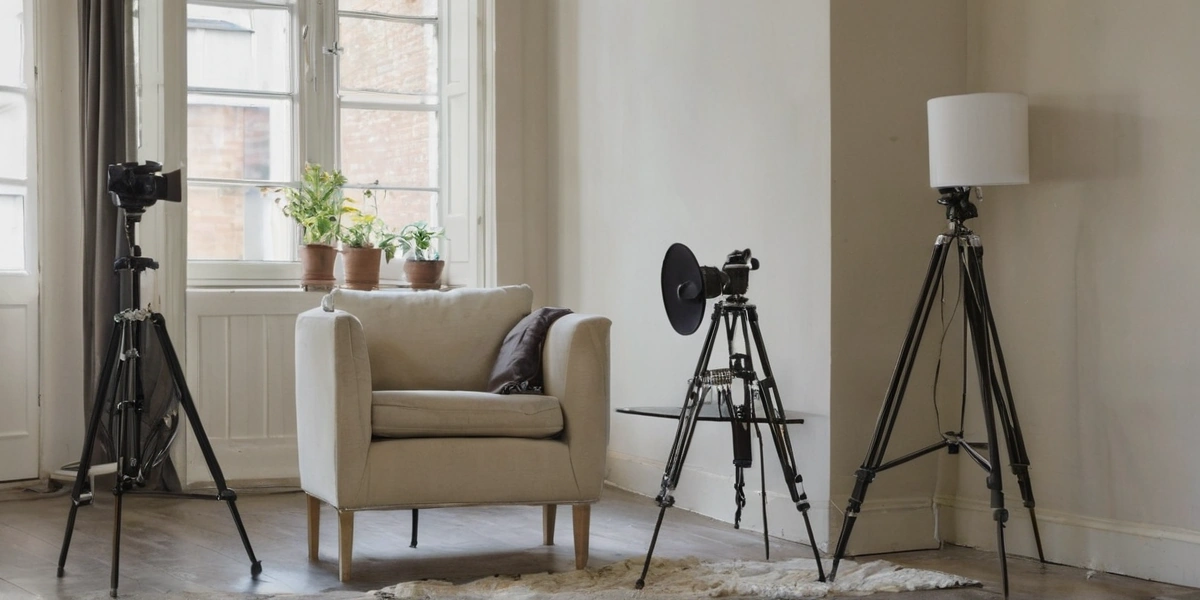
Barbara Brown photographs interiors from Bristol for architects, furniture makers and three letting agencies covering roughly 40 properties a year. This journal records the part of the job that happens before the shutter opens: metering a room at ISO 100, setting the sensor between 45 and 55 per cent of ceiling height, squaring verticals to 0.2 degrees, and clearing 35 to 45 objects out of a living room.
| Note | Question answered | Working figure |
|---|---|---|
| Overcast light | What does an interior meter at under cloud? | EV 5 to EV 8 at ISO 100 |
| Correcting verticals | How high should the sensor sit? | 45 to 55 per cent of ceiling height |
| Styling a room | How long does a living room take? | 50 minutes before the first frame |
| Focal length | How far back does the tripod go? | 2.67m at 24mm, 3.89m at 35mm |
Sun elevation over Dubai runs from 41 to 88 degrees. See how far a beam reaches indoors in each season and when to shoot a south-facing room.
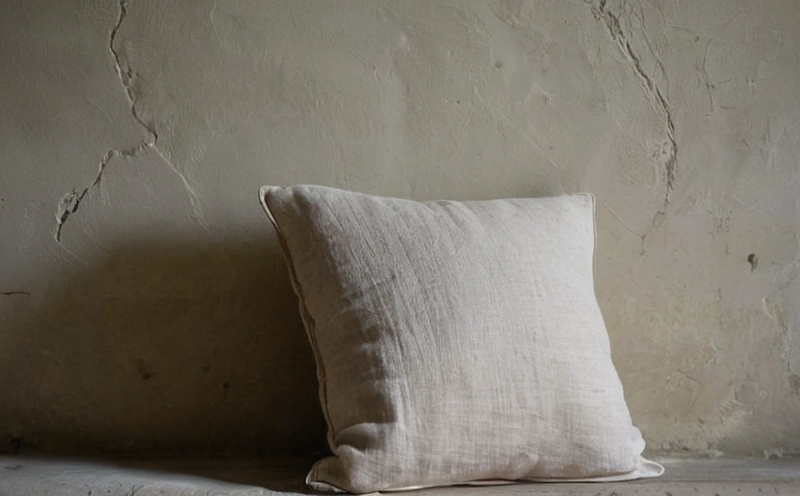
A 24mm lens covers 73.7 degrees horizontally and needs 2.67m to frame a 4.0m wall, while a 35mm lens covers 54.4 degrees and needs 3.89m. The 1.22m difference in tripod position renders foreground furniture 40 per cent larger against the back wall, which is what makes a room read as cavernous or honest.
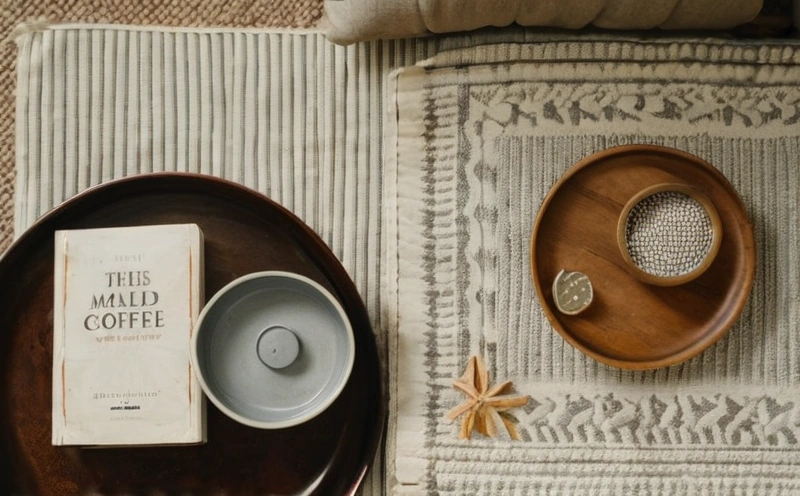
A lived in living room carries 35 to 45 loose objects and takes 50 minutes to strip, clean and style before the first frame. Placement takes a third of the time removal takes, and a styled surface ends with three objects at heights of 8cm, 22cm and 34cm rather than four.
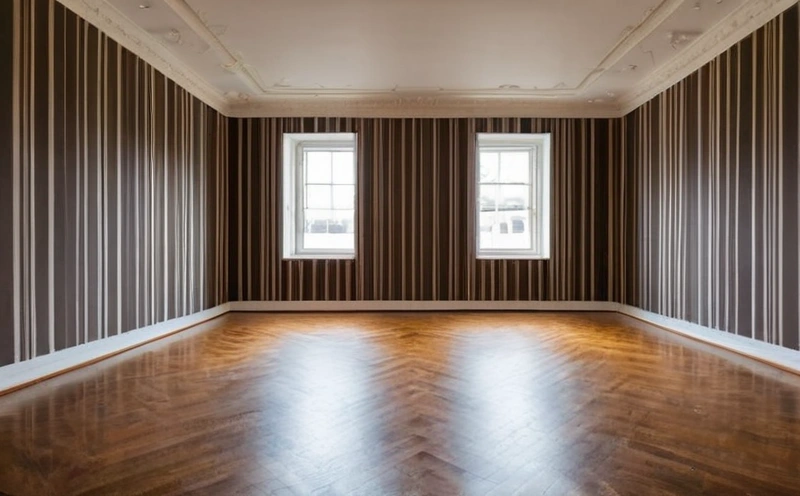
Pitching a camera 4 degrees off level narrows the top of a 2.6m wall by 4.4 per cent, and correcting that pitch in software takes a 24.0 megapixel file down to 19.5 megapixels. Levelling the tripod to within 0.2 degrees costs 30 seconds and removes the correction entirely.
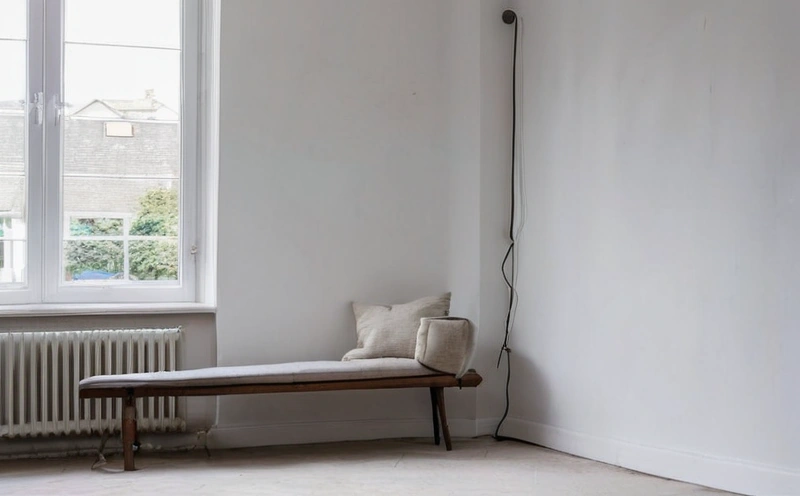
Flat cloud narrows an interior from a 5 stop range to a 2 stop range, measured wall to sill. A Bristol room under settled grey meters EV 5 to EV 8 at ISO 100, which is 4 seconds to 1/2 second at f/11, and three frames at 2 EV spacing cover nine rooms in ten.
Interior photographers get hired by designers who search locally; SEO services Orange County creatives book are built for that kind of visibility.