Styling a room before the shoot
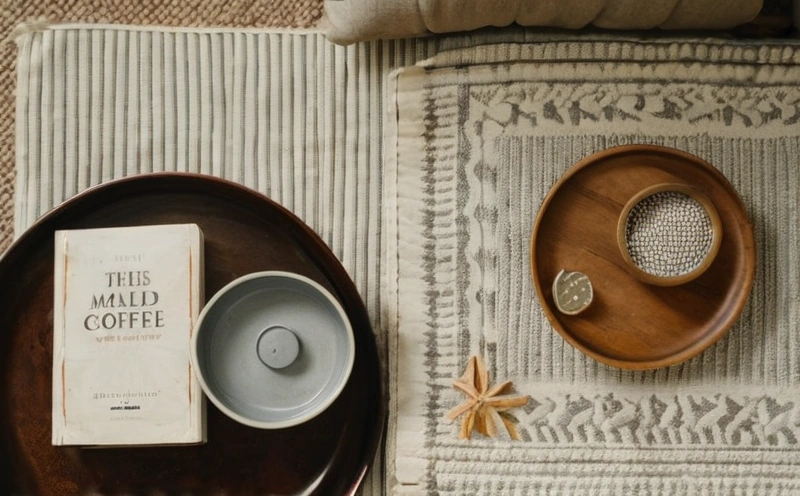
Styling for a camera shares almost nothing with tidying a house. A comfortable living room carries 35 to 45 small objects that the eye edits out in person and a 45 megapixel sensor records at 4.4 micrometres per pixel: a phone charger, a bin bag under the sink, a supermarket sponge, four fridge magnets, a radiator key on a windowsill. Removing those objects accounts for about half the preparation time on a shoot day, and removal runs slower than placement by a factor of three.
What comes out of a room before an interior shoot starts?
Barbara Brown clears every portable object off every horizontal surface into a single 60 litre crate, then moves the crate to a room that is not being photographed that hour. Object by object judgement costs about 15 seconds each, so a kitchen holding 60 loose items costs 15 minutes to debate and 4 minutes to sweep.
The crate measures 600mm by 400mm by 320mm and takes a kitchen's loose items in one pass. An empty worktop also shows the true colour of the stone, which is usually the reason a kitchen fitter booked the shoot. A worktop carrying a kettle, a knife block and a fruit bowl shows perhaps 40 per cent of a 3.2m stone run; the same worktop cleared shows 100 per cent of the run and the full slab pattern.
The removal list barely changes between jobs: cables and chargers, remote controls, cleaning products, washing up liquid, sponges, tea towels over oven handles, bins, children's toys, pet bowls, wall calendars, novelty mugs, dying plants, plastic hangers, loose paperwork, and anything carrying a visible brand logo. Radiators and thermostats stay, because a radiator belongs to the room, while the damp towel over the radiator goes into the crate.
Cleaning follows stripping and never precedes stripping. Glass and stainless steel record every mark under soft daylight at f/11, so a mirror, a shower screen, a hob and a tap each take a microfibre pass. 10 minutes of cleaning in a bathroom removes about 20 minutes of retouching per frame, because each fingerprint on a shower screen is a separate clone at 100 per cent magnification.
How many objects belong on a styled surface?
A styled surface carries one anchor object and one or two supports, and no more than four objects in total on a 1.8m dining table. Barbara Brown sets the three objects at three different heights, typically 8cm, 22cm and 34cm, so the group builds a shape the eye can follow rather than a row of equal marks.
Named examples run short by design. A 1.8m dining table takes a linen runner, a shallow bowl with three pears and a single candlestick, and stops at four objects. A bedside table takes a lamp, one hardback book and one small ceramic. A 3.2m kitchen worktop takes a wooden board and a bowl of lemons, with 1.2m of clear stone either side of the pair.
Texture outranks colour under flat cloud. Overcast light through glass lowers local contrast across a surface, so a linen throw with a visible 2mm weave, a coarse glazed ceramic and a rough cut stem separate from each other on camera while three smooth painted objects merge into one tone.
Position on the frame matters as much as position on the table. A drum lampshade sitting 1.8m off centre in a 24mm frame taken from 2.67m images as an ellipse 21 per cent longer on the radial axis; moving the same shade to 1.4m off centre drops the elongation to 13 per cent. The mechanism behind those numbers sits in the note on choosing a focal length.
Greenery earns a place in the frame when the greenery is alive. A single eucalyptus stem or three branches of beech in a plain jug reads correctly at 24mm and f/11. A moulded plastic plant shows its seam line at f/11 and stays visible in a 1200 pixel wide listing image, which is the size most letting agency sites publish.
In what order does room preparation run?
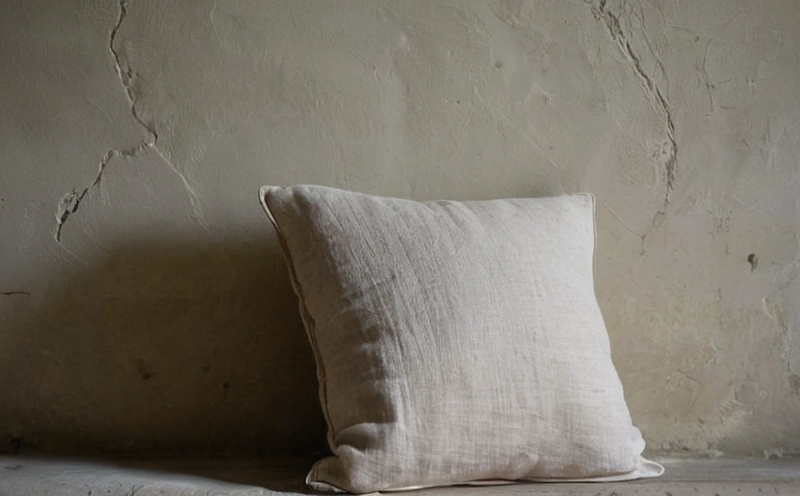
Preparation runs in six steps: strip every surface into the crate, clean glass and metal, set the large furniture 5cm to 10cm off the wall, layer the soft furnishings, place three or four props per surface, then look through the camera and remove one more object. The sixth step separates a styled room from a decorated room.
- Strip every surface into the 60 litre crate and move the crate out of shot.
- Clean glass, taps, hobs, mirrors and skirting with microfibre.
- Pull large furniture 5cm to 10cm off the wall so the room reads with depth.
- Layer rug, cushions, throw and curtains, steaming each curtain pair for 8 minutes.
- Place three or four props per surface at heights of 8cm, 22cm and 34cm.
- Look through the camera at f/11 and remove one more object.
The object removed at step six is almost always the object added last. A surface holding four items after step five holds three after step six, and the three that remain read more clearly at 1200 pixels wide than four items ever did.
Does the whole room need styling, or only the frame?
A 24mm frame from the doorway of a 4.2m by 3.6m living room covers 60 per cent of the floor area, leaving 40 per cent of the room out of shot. Barbara Brown sets the tripod and locks the frame before any styling starts, which parks the crate, the vacuum and the steamer in the untouched 40 per cent.
Locking the frame first saves about 20 minutes per room, because no minute goes on a surface the lens never sees. A 4.2m by 3.6m living room keeps roughly 6 square metres of floor and two part walls outside a 24mm doorway frame.
Locking the frame first also changes what a second angle costs. Restyling a fully dressed room for a new viewpoint runs to 15 minutes, while resetting a room styled only inside the first frame runs to 10 to 12 minutes, because the crate simply moves from one dead corner to another.
How many minutes does each room take to prepare?
A lived in living room needs 50 minutes before the first frame, split as 25 minutes stripping and cleaning and 25 minutes styling, then 12 minutes for each extra angle. A kitchen needs 40 minutes, most of it cleaning and cable work. A bedroom needs 30 minutes, of which 20 go on the bed alone.
| Room | Objects removed | Strip and clean | Style | Extra angle |
|---|---|---|---|---|
| Living room | 35 to 45 | 25 min | 25 min | 12 min |
| Kitchen | 50 to 70 | 30 min | 10 min | 10 min |
| Bedroom | 15 to 25 | 10 min | 20 min | 8 min |
| Bathroom | 20 to 30 | 12 min | 6 min | 5 min |
| Hallway | 10 to 15 | 8 min | 5 min | 5 min |
A bed absorbs 20 of a bedroom's 30 minutes: sheets pulled tight to the corners, duvet folded back by 40cm, four pillows stood upright and dented once at the top, valance straightened at floor level along all three visible sides.
A three bedroom flat photographed across eight angles runs to roughly 5 hours of preparation against 2.5 hours of shooting. Quoting a half day for that property buys a rushed afternoon and a set of eight images with a phone charger in frame three. Once a room is ready, the last decision is which focal length describes the space honestly.